

Introduction
Deepfakes has rapidly transformed how societies communicate, process information, and make decisions. Tools such as ChatGPT and cutting-edge generative models have improved productivity, democratized access to information, and streamlined business operations. At the same time, technologies like deepfakes, algorithmically generated misinformation, and low-cost content automation have introduced unprecedented risks. These technologies can distort public opinion, erode trust in institutions, fuel political polarization, disrupt scientific integrity, and destabilize business environments.
In this long-form, technical, and SEO-optimized article, we explore how ChatGPT, deepfakes, and fake news threaten democracy, science, and business, examining the underlying mechanisms, real-world examples, potential vulnerabilities, and strategies for mitigation.
1. Understanding the Technologies Behind the Threats
1.1 What Is ChatGPT and How Does It Work?
ChatGPT is a large language model (LLM) based on transformer architecture. It learns patterns in massive datasets and generates human-like text using probabilistic predictions. While ChatGPT is not inherently harmful, it can:
-
generate highly persuasive text at scale,
-
automate misinformation campaigns,
-
tailor messages based on user profiles,
-
produce authoritative-sounding false information when misused.
The accessibility of LLMs lowers the barrier for malicious actors to produce professional-quality propaganda, phishing content, and fabricated narratives.
1.2 What Are Deepfakes?
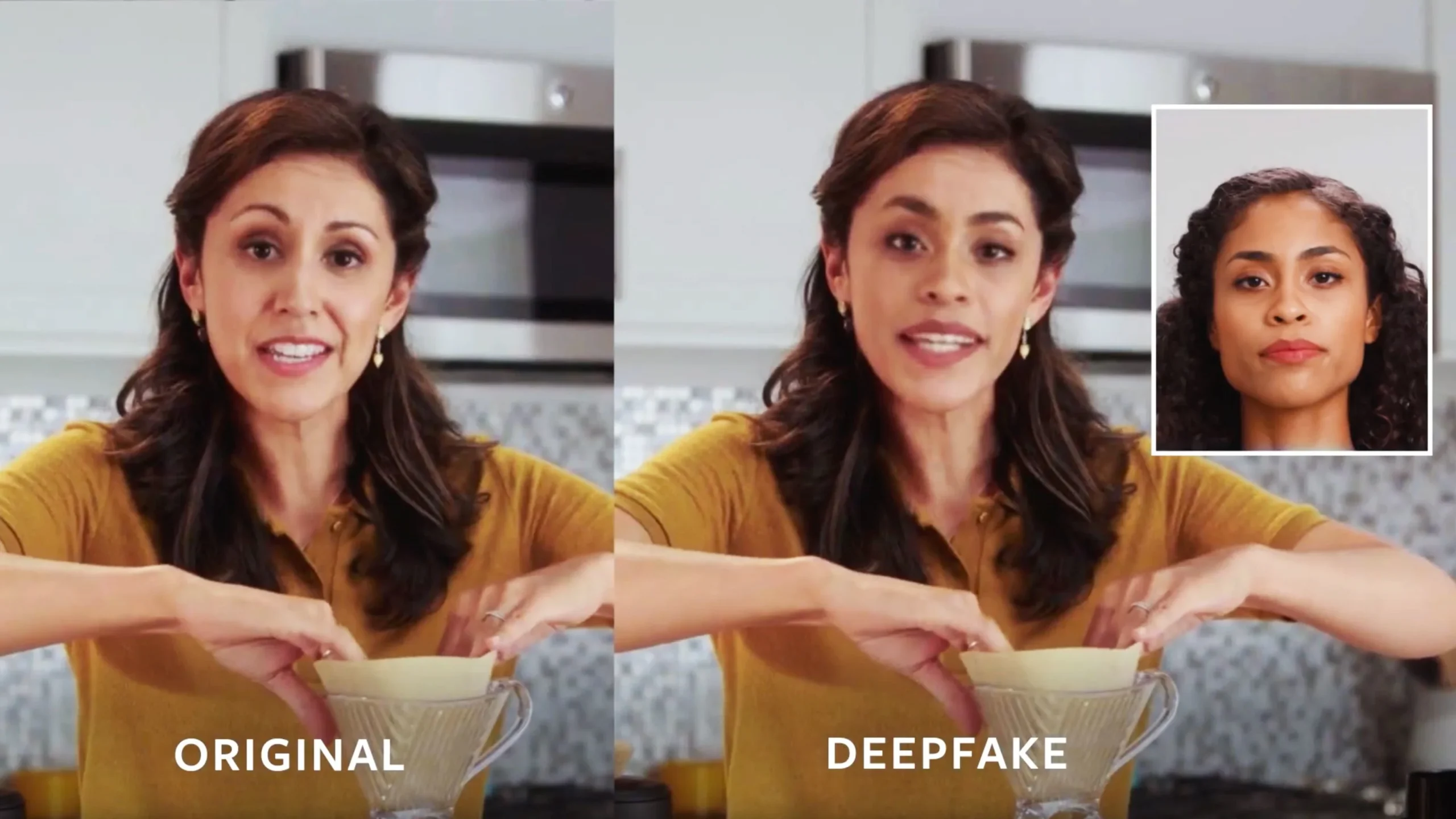
Deepfakes are AI-generated synthetic audio, video, or images created using deep learning models such as Generative Adversarial Networks (GANs) or diffusion models. These systems are capable of:
-
cloning a person’s face,
-
replicating voice patterns,
-
manipulating video scenes convincingly.
Deepfakes are dangerous because they can be used for impersonation, extortion, political manipulation, and spreading false evidence.
1.3 What Is Fake News in the AI Era?
Fake news has existed for centuries, but AI has fundamentally changed its scale and effectiveness. AI-enhanced misinformation can be:
-
algorithmically generated,
-
personalized to specific audiences,
-
distributed through bots and automated accounts,
-
embedded in deepfake media.
The result is a powerful system for manipulating public perception in ways previously impossible.
2. Threats to Democracy
2.1 AI-Generated Propaganda and Information Warfare
Nation-state actors, political groups, or extremist organizations can use ChatGPT-like models to:
-
generate thousands of social media posts per hour,
-
imitate legitimate political voices,
-
spread disinformation narratives,
-
target demographics with tailored messaging.
This form of automated propaganda amplifies political polarization and accelerates the spread of false narratives.
2.2 Deepfakes as Tools for Political Manipulation
Deepfakes introduce a terrifying new dimension to political disinformation. They can fabricate:
-
fake confessions,
-
speeches never given,
-
doctored evidence,
-
staged scandals,
-
misleading “caught on camera” moments.
Even if disproven, the emotional shock persists due to the continued influence effect.
2.3 Erosion of Public Trust
When people cannot distinguish real from fake, “truth decay” sets in:
-
citizens lose trust in institutions,
-
journalists struggle to verify information,
-
conspiracy theories spread more easily,
-
voter participation declines.
2.4 Election Interference and Microtargeting
AI models can analyze voter sentiment and generate:
-
customized political ads,
-
manipulative propaganda messages,
-
synthetic personas designed to infiltrate online communities.
Microtargeting increases the risk of covert election interference.
3. Threats to Science and Research Integrity
3.1 Fabricated Research and AI-Generated Papers
ChatGPT-like models can generate:
-
fraudulent articles,
-
fake abstracts,
-
fabricated datasets,
-
false citations.
This undermines peer review processes and damages scientific credibility.
3.2 Deepfakes in Scientific Evidence and Documentation
Deepfakes can manipulate:
-
medical imaging,
-
laboratory videos,
-
forensic evidence.
These falsified materials can corrupt research, influence grant decisions, and alter public policy.
3.3 Disinformation Campaigns Targeting Science
AI-generated misinformation fuels anti-science movements around:
-
vaccines,
-
climate change,
-
pandemics,
-
environmental research.
3.4 Erosion of Trust in Scientific Expertise
AI-driven pseudoscience damages:
-
public trust in experts,
-
research funding,
-
adoption of evidence-based solutions.
4. Threats to Business, Finance, and the Economy
4.1 Deepfake Fraud and Impersonation Attacks
Corporate deepfake scams are growing, including:
-
executive impersonation during video calls,
-
voice-cloned commands authorizing money transfers,
-
synthetic documents and invoices.
4.2 Automated Social Engineering and Phishing
AI enables extremely convincing phishing through:
-
personalized emails,
-
natural chat conversations,
-
cloned customer support voices.
4.3 Fake Reviews and Brand Manipulation
AI tools can generate:
-
thousands of fake reviews,
-
defamatory competitor content,
-
misleading testimonials.
4.4 Stock Market Manipulation
AI-generated fake news can influence:
-
stock prices,
-
crypto markets,
-
mergers and acquisition rumors.
4.5 Intellectual Property (IP) and Data Leakage
AI tools can inadvertently reveal:
-
sensitive corporate information,
-
copyrighted material,
-
proprietary algorithms.
5. Underlying Technical Mechanisms Enabling the Threats
5.1 Transformer Models and Language Manipulation
Transformers excel at pattern recognition and text generation—useful but dangerous in the wrong hands.
5.2 GANs and Synthetic Media Generation
GANs enable realistic face swaps and synthetic content.
5.3 Reinforcement Learning and Adaptive Misinformation
RL can optimize misinformation delivery using feedback loops.
5.4 Automated Bots and Distribution Networks
AI-powered botnets distribute misinformation at scale.
6. Social and Psychological Vulnerabilities Exploited by AI
6.1 Confirmation Bias
AI-targeted misinformation reinforces existing beliefs.
6.2 Authority Bias
AI-generated text often appears authoritative.
6.3 Emotional Manipulation
AI exploits emotional triggers like fear, outrage, and tribal identity.
6.4 Cognitive Overload
The sheer volume of AI-made content overwhelms users.
7. The “Liar’s Dividend” — A New Era of Plausible Deniability
When deepfakes become common, even real evidence can be dismissed as “fake.” This enables:
-
corruption,
-
political scandals,
-
criminal cover-ups.
8. Mitigation Strategies and Solutions
8.1 AI Detection Technologies
Research continues into detecting:
-
manipulated audio/video,
-
AI-generated text,
-
inconsistencies in biometric signals.
8.2 Watermarking and Content Authenticity
Solutions include:
-
digital watermarks,
-
cryptographic signatures,
-
provenance standards.
8.3 Regulatory Frameworks
Governments are working on laws to:
-
label AI-generated content,
-
penalize malicious deepfakes,
-
enforce platform accountability.
8.4 Organizational Safeguards
Businesses must:
-
train staff,
-
use MFA for approvals,
-
monitor brand mentions.
8.5 Public Education and Digital Literacy
Critical thinking and media literacy are vital long-term defenses.
8.6 Preventing Deepfakes with the MiniAI Deepfake Detection SDK
As deepfake technology grows more advanced, organizations require real-time, scalable, automated detection tools. One emerging defense solution is the MiniAI Deepfake Detection SDK, a lightweight yet high-performance toolkit designed for developers, cybersecurity teams, and enterprises seeking to detect deepfakes across audio, video, and images.
What Is MiniAI Deepfake Detection SDK?
MiniAI uses advanced machine learning techniques for deepfake detection, combining:
-
neural feature extraction,
-
temporal consistency analysis,
-
GAN/diffusion artifact detection,
-
face/voice embedding comparison,
-
metadata integrity verification.
This hybrid method allows the SDK to detect even highly realistic deepfakes produced by modern generative models.
Key Features of MiniAI Deepfake Detection SDK
1. Lightweight, Fast Processing
Optimized for low-latency inference, suitable for:
-
live video platforms,
-
real-time identity verification,
-
corporate communications.
2. Multi-Modal Deepfake Detection
The SDK analyzes:
-
videos (face-swaps, synthetic avatars),
-
audio (voice cloning, impersonation),
-
images (AI-generated faces, doctored visuals).
3. On-Premise, Cloud, and API Deployment
Integration options include:
-
local on-prem installations,
-
secure cloud environments,
-
RESTful API endpoints.
4. Real-Time Scoring System
MiniAI assigns detection confidence scores based on:
-
micro-expression irregularities,
-
unnatural noise patterns,
-
temporal frame inconsistencies,
-
spectrogram anomalies.
How MiniAI Protects Democracy, Science, and Business
1. Defending Democratic Processes
MiniAI helps governments and media outlets verify:
-
political speeches,
-
candidate interviews,
-
campaign footage,
-
alleged scandal videos.
2. Protecting Scientific Integrity
Researchers can use MiniAI to authenticate:
-
laboratory evidence,
-
scientific images,
-
medical imaging used in studies.
3. Preventing Corporate Fraud
Businesses can stop deepfake attacks by verifying:
-
voice commands,
-
executive video messages,
-
suspicious financial requests.
4. Securing Brands and Online Platforms
Platforms can deploy MiniAI to stop:
-
fake influencer videos,
-
synthetic product reviews,
-
reputational attacks.
Best Practices for Implementing MiniAI
1. Deploy at Major Entry Points
Including:
-
upload portals,
-
communication apps,
-
transaction authorization systems.
2. Use Multi-Factor Authentication + Deepfake Scanning
Combining MiniAI with biometrics and PINs closes impersonation gaps.
3. Enable Continuous Model Updates
Ensures defenses evolve as deepfake generators improve.
4. Train Teams on Deepfake Awareness
Security systems are most effective when paired with informed employees.
Conclusion
ChatGPT, deepfakes, and fake news represent a powerful triad that can reshape societies, disrupt scientific progress, and undermine global business stability. However, solutions such as the MiniAI Deepfake Detection SDK provide crucial defense mechanisms against AI-enabled deception.
By integrating advanced detection tools, updating regulations, and improving public digital literacy, societies can enjoy the benefits of AI while minimizing its risks. The future depends not on stopping innovation but on responsibly managing it to safeguard democracy, science, and the economy.