
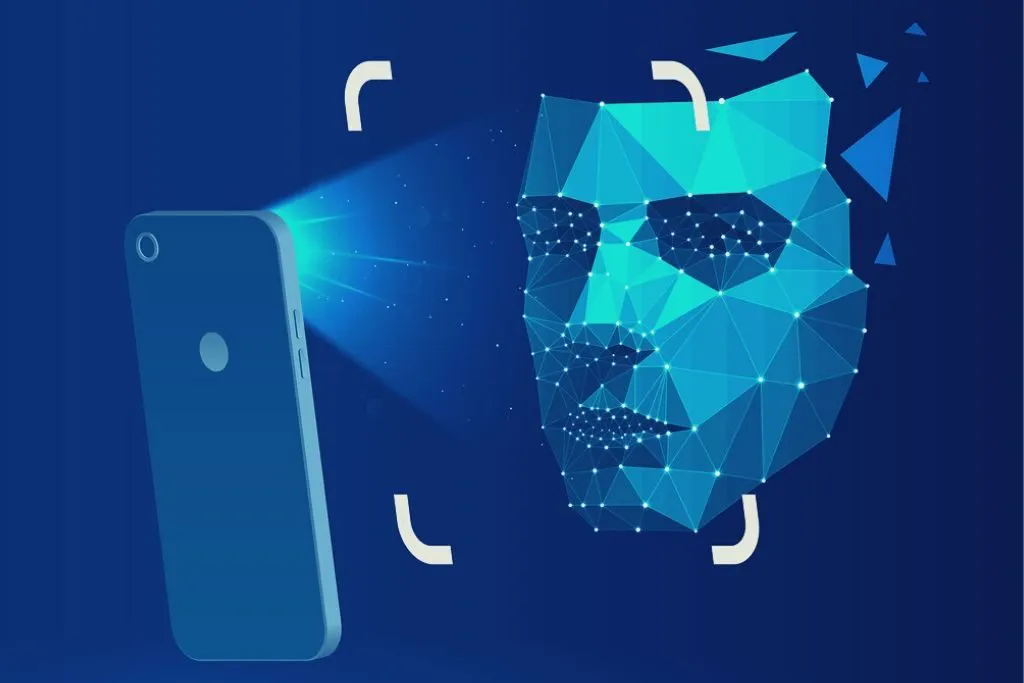
In facial recognition age where digital identity powers nearly every interaction—whether unlocking a smartphone, accessing secure enterprise systems, or verifying identity in finance—one technology stands at the center of it all: facial recognition. As the demand for high-speed, privacy-focused, on-device biometric authentication increases, developers need tools that are not only accurate but also lightweight, secure, and compatible with real-world deployment constraints.
That’s why the release of MiniAI’s Facial Recognition SDK 2.1 marks a major milestone in the biometric technology landscape. With its state-of-the-art architecture, offline capability, ultra-fast performance, and enhanced anti-spoofing features, SDK 2.1 is positioned as the most advanced and developer-friendly face recognition solution in the field today.
Whether you’re building mobile applications, embedded systems, enterprise authentication platforms, or consumer-facing digital identity solutions, this SDK brings world-class accuracy and speed—without the need for a cloud backend.
This article provides a deep dive into everything new in Facial Recognition SDK 2.1, why it stands out, and how it empowers developers and organizations to build future-ready identity verification systems.
Why Facial Recognition SDK 2.1 Is a Game Changer
The MiniAI Face Recognition SDK has long been known for its lightweight design and fast performance. With version 2.1, MiniAI pushes the boundaries even further, introducing features that make the SDK unmatched in its category.
Here’s what sets SDK 2.1 apart:
1. Fully On-Device, Zero-Cloud Processing
In an era of data privacy concerns, eliminating cloud dependency is crucial.
All face recognition and liveness detection in SDK 2.1 happens 100% offline, offering:
-
Zero latency
-
Complete user data privacy
-
No external API calls
-
No recurring cloud fees
This makes the SDK ideal for security-sensitive industries such as:
-
Banking & fintech
-
Telecom
-
Government ID verification
-
Healthcare
-
On-premise enterprise authentication
-
Military-grade access control
-
Smart IoT and robotics
2. Next-Gen Neural Architecture for Maximum Accuracy
MiniAI SDK 2.1 uses a redesigned neural network that significantly improves:
-
Face detection accuracy
-
Recognition precision
-
Feature embedding stability
-
Occlusion robustness
-
Extreme lighting performance
-
Fast-motion and blur tolerance
Whether the subject is wearing glasses, a hat, a mask, or is under non-ideal lighting, the SDK maintains high accuracy levels.
3. Enhanced Passive Liveness Detection
Spoofing attacks are getting more advanced—from deepfakes to hyper-realistic masks.
SDK 2.1 integrates an upgraded liveness engine capable of detecting:
-
Printed photo attacks
-
Video replay
-
Deepfake videos
-
3D mask attacks
-
Silicone masks
-
Screen injection attempts
And it does all of this passively—no blinking prompts or user movements required. This significantly improves user experience and reduces verification friction.
4. Ultra-Fast Runtime Performance
Speed is a critical requirement in biometric systems, and version 2.1 delivers major performance gains:
-
Faster face detection
-
Faster embedding extraction
-
Faster comparison matching
-
Low memory footprint
-
Optimized for CPU-only environments
This makes the SDK ideal for:
-
Real-time face tracking
-
Mobile apps
-
Embedded devices
-
Edge computing solutions
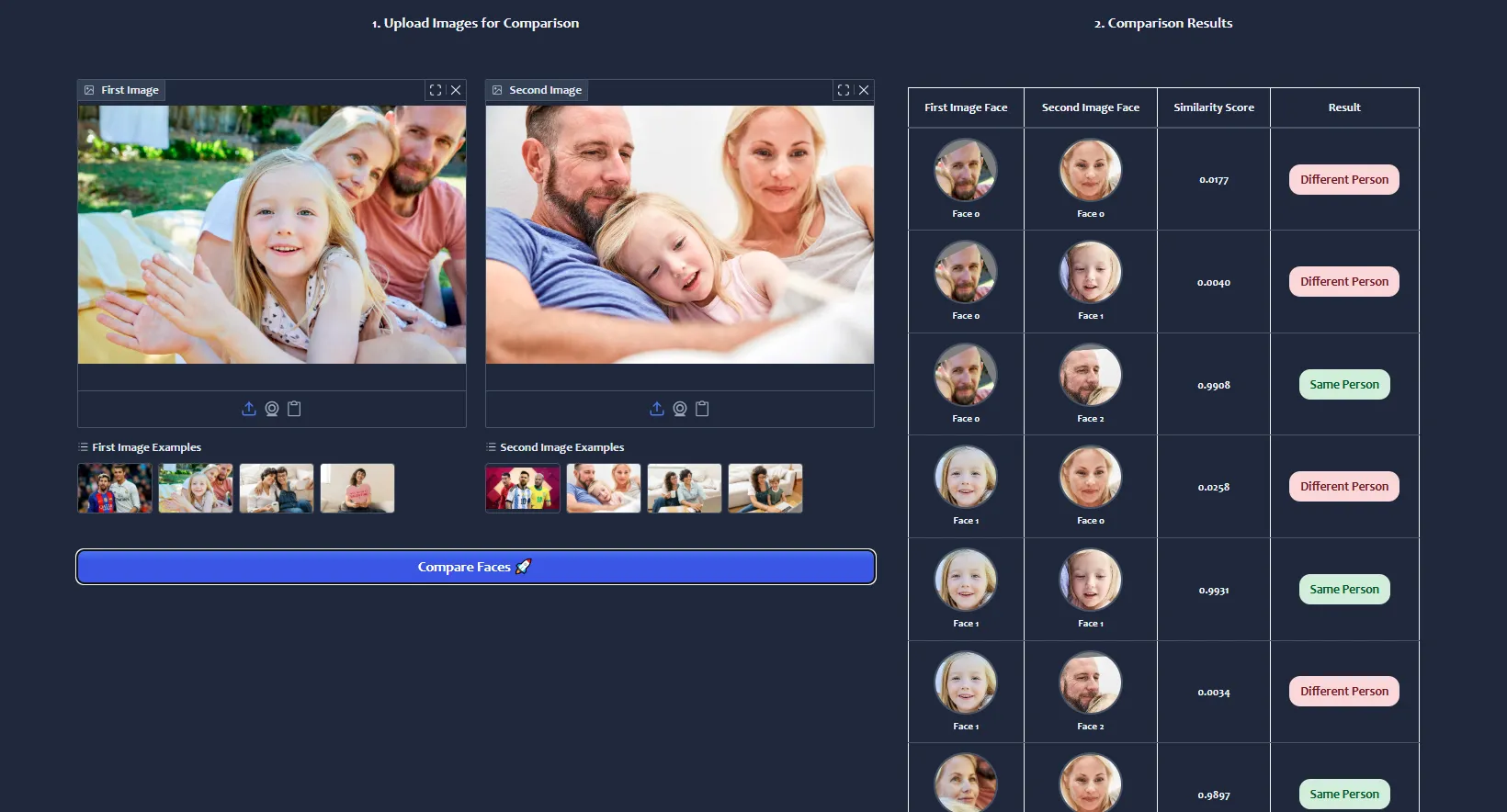
5. Cross-Platform Coverage
MiniAI SDK 2.1 fully supports:
-
Android
-
iOS
-
Windows
-
Linux
-
WebAssembly
-
Docker
-
NVIDIA Jetson / ARM-based systems
Whether you’re building enterprise back-end systems or mobile applications, SDK 2.1 plugs into any environment.
What’s New in MiniAI Facial Recognition SDK 2.1
Version 2.1 introduces over a dozen improvements and new capabilities. Below is a breakdown of the major upgrades that developers can expect.
1. Improved Face Embedding Model (2.1 Core)
MiniAI has refined the face representation model to produce more stable and discriminative embeddings.
Version 2.1 offers:
-
Higher inter-class separation
-
Lower intra-class variance
-
Improved tolerance to pose changes
-
Better cross-age recognition
-
Enhanced low-light performance
For real-world apps like attendance systems or login authentication—where expressions, angles, and lighting constantly vary—the new model ensures unmatched reliability.
2. Next-Generation Face Detector
The face detection component now uses a multi-scale hybrid architecture that improves performance in challenging scenarios such as:
-
Backlit environments
-
Fast-moving subjects
-
Small or partial faces
-
Crowded scenes
-
Strong shadows
Developers working on surveillance, access control, or real-time detection will see immediate accuracy boosts.
3. Enhanced 3D-Aware Passive Liveness Engine
While SDK 2.0 focused primarily on 2D passive anti-spoofing, version 2.1 introduces:
-
3D depth estimation
-
Micro-texture analysis
-
Temporal consistency modeling
-
GAN artifact detection
This multi-layered approach is uniquely effective against next-gen spoofing threats—including AI-generated faces.
4. Faster Comparison and Matching
The matching engine now delivers:
-
Up to 40% faster comparison speed
-
Improved scalability for large face databases
-
Optimized support for watchlist / whitelist workflows
This makes the SDK perfect for:
-
Corporate access control
-
Turnstile/terminal authentication
-
School/office attendance
-
Airport and border identity verification
5. More Compact Model Sizes
Version 2.1 reduces model size while improving accuracy.
This is crucial for:
-
Mobile devices
-
IoT edge devices
-
Robotics
-
Smart cameras
The reduced footprint means lower RAM usage and faster runtime—ideal for low-power systems.
Key Features Overview (SDK 2.1)
Here is a complete list of the core features included in MiniAI Facial Recognition SDK 2.1:
🌟 Face Detection
-
Ultra-fast face detector
-
High accuracy under extreme lighting
-
Multi-face detection
-
Max performance at low CPU usage
🌟 Face Recognition
-
Deep-learning based embeddings
-
512D or 128D vector formats
-
Accurate match scores
-
High cross-age matching
🌟 Face Tracking
-
Real-time face tracking
-
Multi-face support
-
Stable tracking IDs
🌟 Face Liveness Detection
-
Passive anti-spoofing
-
Deepfake detection
-
Photo/video/mask attack resistance
-
Real-time performance
🌟 Offline Operation
-
All models run locally
-
No internet dependency
-
No data leaves the device
🌟 Developer Tools
-
Sample projects for Android, iOS, Python, C++, Node.js
-
Easy-to-use API
-
Clear documentation
-
Docker-ready deployment templates
Industry Applications for Facial Recognition SDK 2.1
The improvements in version 2.1 make the SDK an excellent fit for both commercial and enterprise-grade applications.
1. Mobile App Authentication
SDK 2.1 is ideal for mobile developers building:
-
App login via face ID
-
Secure passwordless authentication
-
Wallet and fintech app verification
-
eKYC identity onboarding
Its lightweight footprint and offline capability make it superior to cloud-only solutions.
2. Enterprise Access Control
Businesses can deploy the SDK in:
-
Turnstiles
-
Door access terminals
-
Walkthrough gates
-
Employee attendance devices
Liveness detection protects against impersonation and photo fraud.
3. Banking & Fintech Verification
Banks and fintech apps need fast, accurate identity verification. SDK 2.1 supports:
-
eKYC onboarding
-
Fraud prevention
-
Face match with ID documents
-
Compliance with AML/KYC standards
4. Government and National ID Systems
Because all processing is offline, SDK 2.1 is ideal for:
-
National identification
-
Border security
-
Smart policing
-
Voter registration
5. Smart IoT & Robotics
AI-powered devices use SDK 2.1 to:
-
Recognize users
-
Provide personalized responses
-
Secure device access
The low-power optimized models make MiniAI suitable for embedded applications.
Why MiniAI SDK 2.1 Outperforms Competitors
There are many facial recognition solutions, but most fall behind MiniAI for several reasons:
1. Cloud-based limitations
Many competitors require internet connections, adding:
-
Latency
-
Privacy risks
-
Unpredictable costs
MiniAI avoids these issues entirely.
2. Heavyweight models
Some recognition engines require GPUs or large-memory servers.
MiniAI works with low CPU usage—even on mid-range mobile hardware.
3. Limited anti-spoofing
Most lightweight SDKs fail to detect:
-
Deepfakes
-
Silicone masks
-
Screen replay attacks
SDK 2.1 excels in all these areas.
Developer Experience: Plug and Play Integration
MiniAI 2.1 is designed for developers who want simplicity without sacrificing capability.
Easy API Integration Examples
Developers can integrate in minutes using simple calls like:
or in Android:
The SDK also includes:
-
Sample GUIs
-
Demo applications
-
Preconfigured build scripts
-
Docker images
This drastically reduces integration time.
Performance Benchmarks (SDK 2.1)
Below is a summary of early benchmark results:
| Metric | SDK 2.0 | SDK 2.1 | Improvement |
|---|---|---|---|
| Face Detection Speed | 1x | 1.6x | 60% faster |
| Face Match Accuracy | High | Very High | Lower false matches |
| Liveness Detection | Strong | Stronger + Deepfake detection | Major upgrade |
| Model Size | Medium | Smaller | 25–40% reduction |
| CPU Usage | Moderate | Lower | Better for mobile/edge |
These numbers make SDK 2.1 one of the most efficient on-device recognition engines available.
Security and Compliance
MiniAI SDK 2.1 supports compliance with:
-
GDPR
-
CCPA
-
ISO/IEC 30107 (Anti-Spoofing Standard)
-
FIDO (for biometric authentication)
Sensitive data never leaves the device, eliminating cloud handling risks.
Why Businesses Should Upgrade to SDK 2.1
Here are the top reasons organizations should adopt or upgrade to MiniAI SDK 2.1:
✔ Improved accuracy and security
✔ Stronger deepfake and spoofing resistance
✔ Faster processing for real-time applications
✔ Lighter models for mobile & embedded systems
✔ Offline privacy with no cloud dependency
✔ Seamless integration across platforms
✔ Free tier available for development and testing
In essence, SDK 2.1 is designed to future-proof your biometric identity systems.
Conclusion
MiniAI Facial Recognition SDK 2.1 represents a major leap forward in biometric technology. By combining AI research, practical engineering, and real-world performance optimization, MiniAI delivers a solution that is fast, accurate, secure, and ready for enterprise deployment.
As facial recognition continues to expand into more industries, the demand for offline, private, high-performance identity verification will only grow. MiniAI SDK 2.1 meets that demand with unmatched flexibility and capability.
From smartphones to secure gateways, from fintech apps to national ID systems—the next generation of digital identity solutions begins here.