
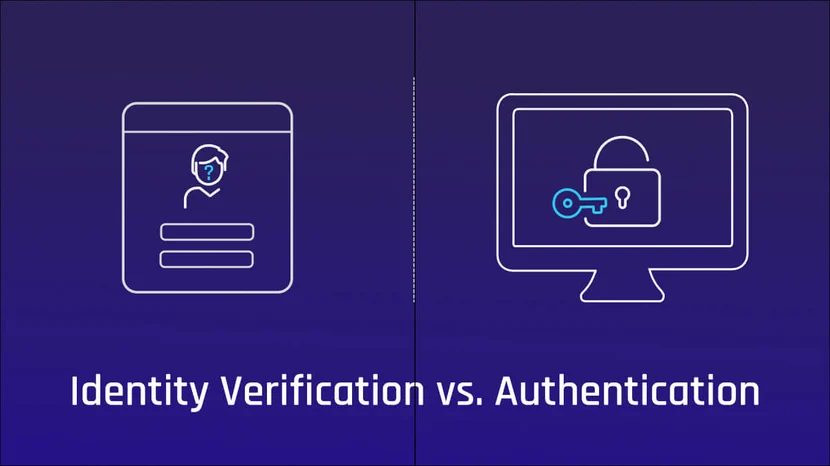
The ultimate guide to next-generation ID Credential Authentication, fraud defense, and secure credential technologies for 2026 and beyond.
Introduction
As the digital landscape evolves, so do the tactics of identity thieves, cybercriminals, and bad actors exploiting authentication vulnerabilities. In 2026, organizations face unprecedented pressure to adopt secure, automated, and intelligent verification systems that can keep pace with modern threats. From deepfake-enabled impersonation and synthetic identity fraud to document forgery and social engineering, the identity verification battlefield is rapidly expanding.
This is where Cutting-Edge ID Credential Authentication and Fraud Mitigation Systems enter the spotlight. These platforms combine artificial intelligence (AI), biometrics, cryptography, and real-time data intelligence to establish trust in both physical and digital environments.
Introducing MiniAI: A Next-Generation ID Credential Authentication and Fraud Check System
In 2026, as organizations continue battling increasingly sophisticated identity fraud, MiniAI emerges as a breakthrough solution designed to transform the way businesses verify identities and protect sensitive operations. MiniAI is an AI-driven ID Credential Authentication and Fraud Check System engineered for speed, accuracy, and security across both digital and physical environments.
Powered by cutting-edge machine learning, advanced document forensics, and multi-layered biometric intelligence, MiniAI automates identity verification with exceptional precision. The system scans ID cards, passports, driver’s licenses, and digital credentials in real time—detecting even the smallest anomalies, tampering attempts, or synthetic identity patterns that traditional methods often miss.
MiniAI stands out with its ultra-lightweight architecture, rapid processing engine, and seamless compatibility with mobile devices, kiosks, online workflows, and enterprise-level platforms. Whether used for financial onboarding, secure facility access, government services, travel security, or e-commerce validation, MiniAI empowers organizations to authenticate identities within seconds while maintaining the highest levels of security and usability.
By combining AI-enhanced fraud detection, biometric liveness verification, global document coverage, and behavioral analytics, the MiniAI ID Authentication System offers the ideal balance of security, scalability, and operational efficiency—making it a powerful tool in the modern fight against identity fraud.
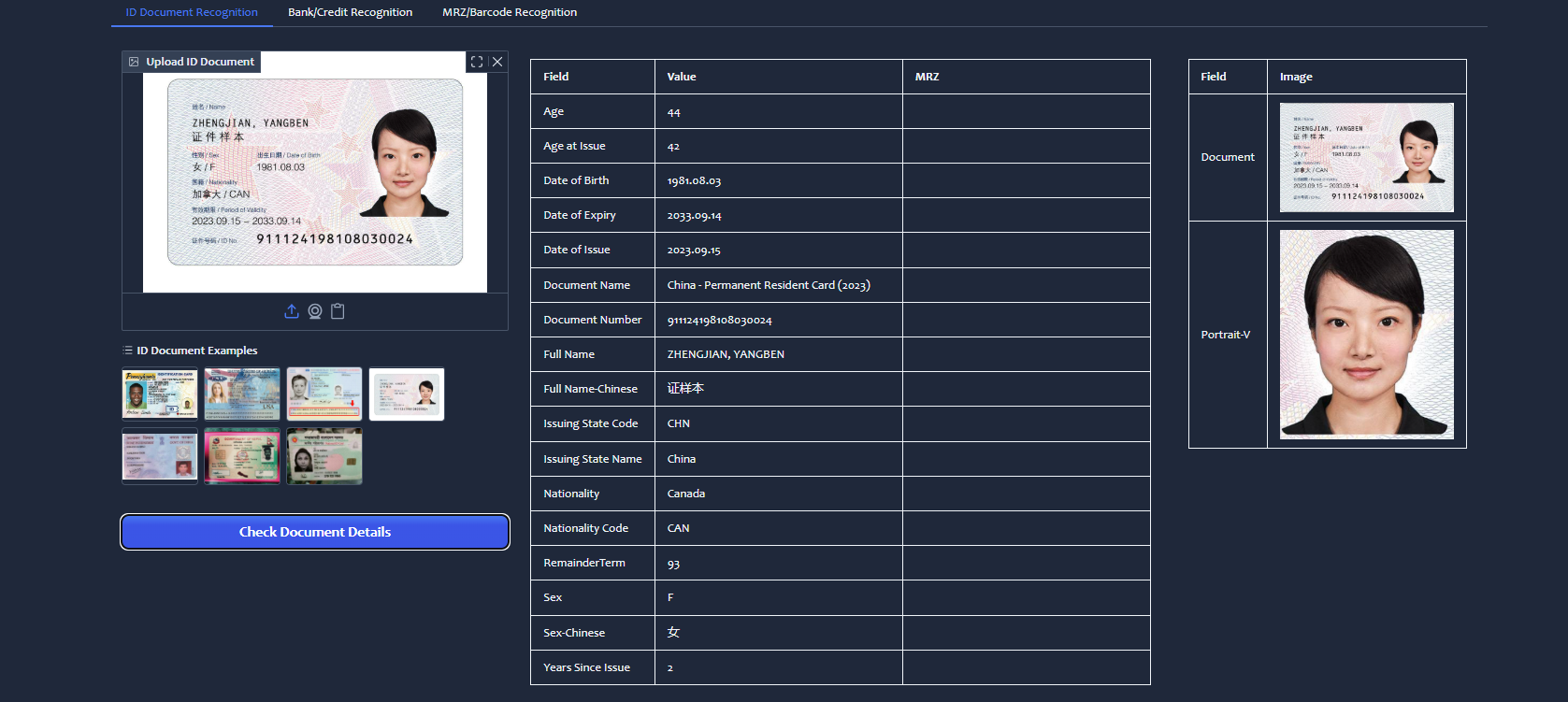
The Rising Need for Advanced ID Authentication in 2026
Identity fraud reached new heights in recent years, with forged ID cards, manipulated digital credentials, and synthetic identities becoming more sophisticated. Several industry trends are driving demand for next-generation verification:
1. Proliferation of Digital Services
Remote banking, telemedicine, digital education, and online government services require reliable identity verification without compromising user convenience.
2. Surge in Document Forgery Tools
High-resolution printers, AI-generated images, and professional editing software make it easier to alter documents.
3. Stricter Compliance Requirements
Regulatory frameworks like eIDAS 2.0, PSD2, KYC, and AML require organizations to adopt more accurate and auditable verification practices.
4. Rising Synthetic Identity Fraud
Fraudsters build synthetic profiles by mixing real and fake information, making detection harder for outdated systems.
5. Demand for Automation and Speed
Organizations aim to minimize manual reviews, reduce costs, and enhance customer onboarding efficiency.
What Are Cutting-Edge ID Credential Authentication Systems?
These are advanced platforms that validate identity documents, verify biometrics, analyze digital credentials, and detect fraud using automated, AI-powered technologies. Core attributes include:
-
Intelligent document forensics
-
Biometric authentication
-
Liveness and spoof detection
-
Machine learning–based pattern analysis
-
Behavioral biometrics
-
Global ID format coverage
-
Blockchain-based credential verification
In 2026, these systems are essential for eliminating guesswork from identity verification.
Core Components of Next-Generation ID Authentication
1. AI-Powered Document Forensics
Advanced AI models analyze:
-
Holograms, watermarks, micro-text, fonts
-
Inconsistent pixel layers
-
Digital manipulation
-
Template mismatches
-
Metadata discrepancies
Systems like MiniAI continually learn from global document databases to stay ahead of evolving forgery methods.
2. Biometric Authentication
Biometrics provide a high-assurance method to verify the individual presenting an ID. Methods include:
-
Facial recognition
-
Fingerprint scanning
-
Iris scanning
-
Voice authentication
Multi-modal biometrics greatly reduce impersonation risks.
3. Liveness Detection
To combat photo spoofing, mask attacks, and AI-generated deepfakes, liveness verification uses:
-
3D face mapping
-
Micro-expression detection
-
Skin texture and blood-flow analysis
-
Infrared imaging
-
Challenge-response prompts
This is essential for remote onboarding workflows.
4. Digital Credential Verification
Digital IDs and mobile identity wallets use:
-
NFC chip scanning
-
QR verification
-
Cryptographic signatures
-
Blockchain-backed hashes
These provide fast, secure, tamper-proof identity validation.
5. Behavioral Biometrics
Modern systems analyze user behavior such as:
-
Typing cadence
-
Mouse navigation
-
Device motion
-
Gesture patterns
-
Geolocation behavior
These indicators help detect account takeovers or fraudulent behavior.
Top Innovations Transforming Fraud Mitigation in 2026
1. Deepfake Detection
AI models trained on millions of samples detect voice and facial deepfakes with high accuracy.
2. Blockchain-Based Identity Issuance
Provides immutable, globally-verifiable identity records.
3. Federated Identity Networks
Allows users to verify themselves across platforms while maintaining privacy.
4. AI Risk Scoring Engines
Real-time risk scoring evaluates document legitimacy, user behavior, and contextual anomalies.
5. Pattern Recognition & Machine Learning
AI continuously adapts to new fraud trends, ensuring systems never become outdated.
Industries Benefiting from ID Authentication Innovations
Banking & Finance
Prevents account fraud, supports instant KYC, and secures digital transactions.
Government Agencies
Strengthens border control, civil services, and national ID issuance.
Healthcare
Validates patient identity, preventing insurance fraud and medical errors.
Education & Certification
Protects against counterfeit degrees and enables secure online exam proctoring.
Corporate Security
Enhances facility access control and employee onboarding.
Travel & Transportation
Supports biometric boarding, e-gates, and smart immigration systems.
Benefits of Cutting-Edge Authentication Systems
-
Higher fraud detection accuracy
-
Reduced operational costs
-
Faster, streamlined verification
-
Improved compliance
-
Scalable for both small and large organizations
-
Better user experience through automated checks
MiniAI, for example, delivers ultra-fast verification with deep AI analysis, making it ideal for high-volume environments.
Challenges and Considerations
-
Data privacy regulations
-
Infrastructure integration complexity
-
Initial implementation cost
-
Continuous model updates to match new fraud tactics
Choosing a flexible solution like MiniAI helps reduce integration challenges due to its modular and lightweight design.
Best Practices for Implementing ID Verification in 2026
-
Use multi-layered verification (biometrics + document checks).
-
Ensure global document coverage.
-
Apply liveness and deepfake detection.
-
Integrate real-time risk scoring.
-
Ensure compliance with global standards.
-
Utilize AI systems that can self-learn and auto-update.
The Future of ID Authentication Beyond 2026
The next wave of innovation will include:
-
Quantum-resistant identity encryption
-
Sensor-enhanced smart ID cards
-
Global interoperable digital identity wallets
-
AI-driven fraud intelligence sharing networks
-
Fully decentralized identity ecosystems
Systems like MiniAI will continue evolving with these trends, offering organizations a future-proof path to secure identity verification.
Conclusion
In an era where identity fraud is advancing at rapid speed, adopting Cutting-Edge ID Credential Authentication and Fraud Mitigation Systems is no longer optional—it is essential. With AI, biometrics, blockchain, and behavioral analytics shaping the future, organizations must invest in robust, automated tools that stay ahead of fraudsters.
MiniAI represents this next generation of identity security—fast, intelligent, scalable, and built to protect businesses in 2026 and beyond.